Renee Maksoud, AMFT/APCC
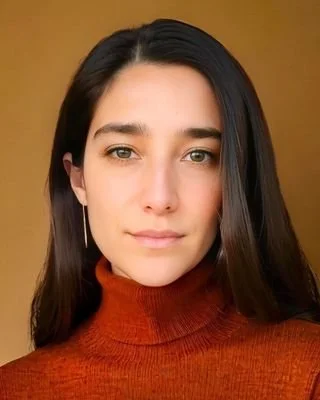
About Me
Psychedelic experiences can open something profound. They can leave you feeling tender, disoriented, deeply moved, or unsure how to relate to what surfaced. They can also bring clarity, connection, or a fuller sense of being alive.
I work with people who want support before or after these experiences. Whether you are preparing for a journey, sitting with something unresolved from the past, or trying to bring what you experienced into the life you are living.
My approach is grounded, warm, and depth oriented. I help clients slow down, listen closely, and stay with what is emerging without rushing to force meaning. This work may include connecting parts of yourself that have been waiting a long time to be heard. It can also include joy, tenderness, openness, and a deeper sense of connection to yourself, others, or the world around you.
My background is in trauma-informed psychotherapy, and I draw from Internal Family Systems, somatic and mindfulness-based therapies, and relational work. Together, we pay attention to what is happening emotionally, psychologically, and in the body so that insight can be digested, grounded, and woven into your life in a way that feels real.
I am also involved in psychedelic research, which continues to inform my understanding of trauma, attachment, and the nervous system.
Renee is a Associate Marriage and Family Therapst, Supervised by Dr. Jennifer Christian PSY30295.
Areas of Focus:
Psychedelic preparation and integration
Complex trauma and PTSD
Anxiety
Depression
Relationship and attachment patterns
Childhood trauma
Self-criticism and shame
Life transitions
Creativity and artistic expression
Identity exploration
LGBTQ+ affirming care
My Treatment Approaches
Internal Family Systems (IFS)
Somatic and body-based therapy
Mindfulness-based therapy
Trauma-informed psychotherapy
Attachment-focused therapy
Relational and depth-oriented approaches